



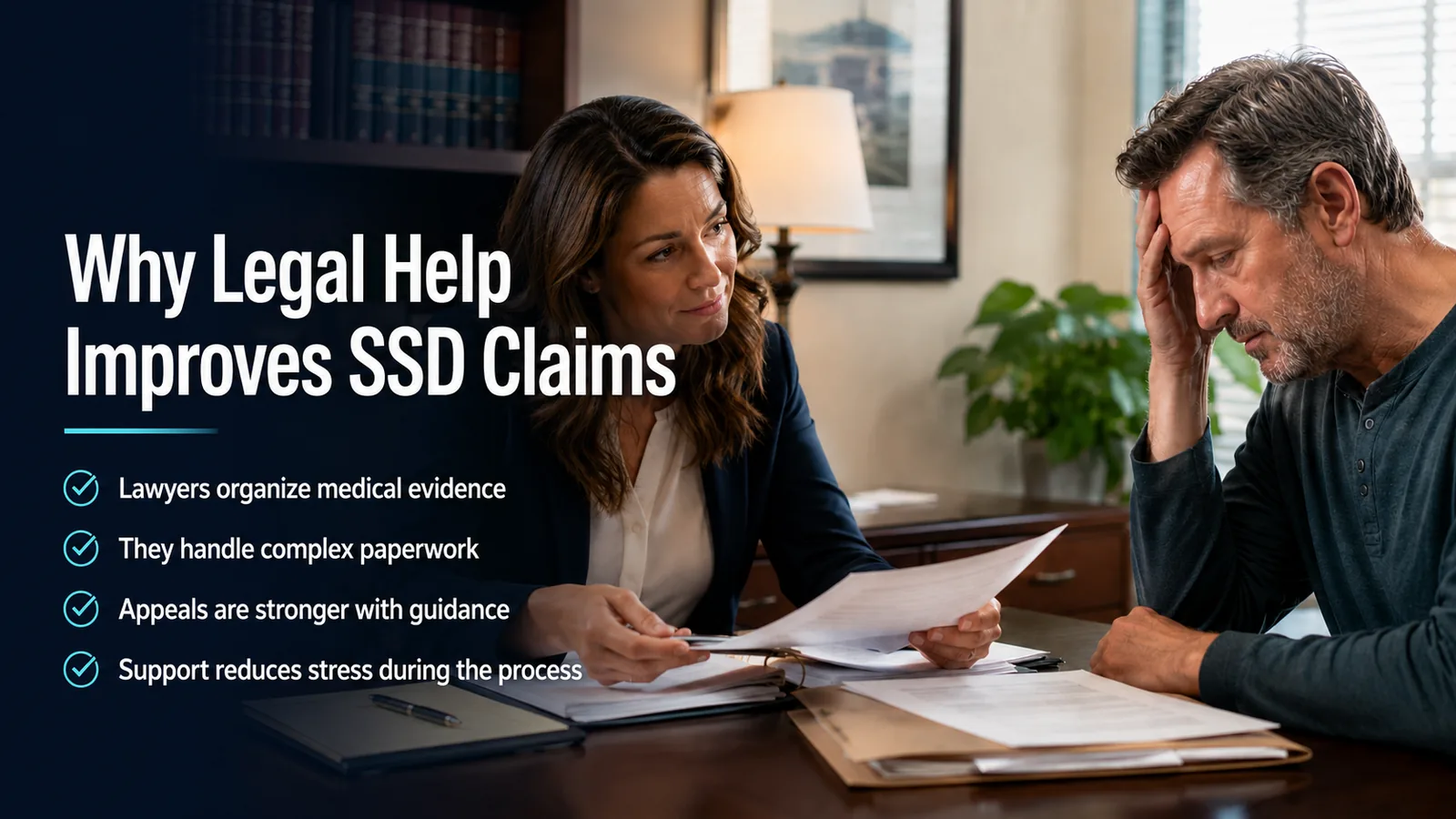
A serious illness or injury does not only affect the body. It disrupts employment, strains household finances, and forces individuals into an administrative system that most people have never had to deal with before. The Social Security Disability program exists precisely for this situation, providing financial support to people whose medical conditions prevent them from maintaining gainful employment. Yet the process of actually securing those benefits is far more complicated than most applicants expect, and the gap between qualifying on paper and receiving an approval decision can stretch across months or even years.
Most people who file for disability benefits do so without a full picture of what the process involves or what the Social Security Administration evaluates when it reviews a claim. The eligibility criteria are specific, the documentation requirements are substantial, and the standards applied at each stage of review are not always intuitive to someone without legal or administrative experience. An application that is missing critical medical evidence, structured without attention to the SSA's evaluation framework, or submitted without anticipating common grounds for denial is far more likely to be rejected than one that is prepared with those factors in mind from the beginning.
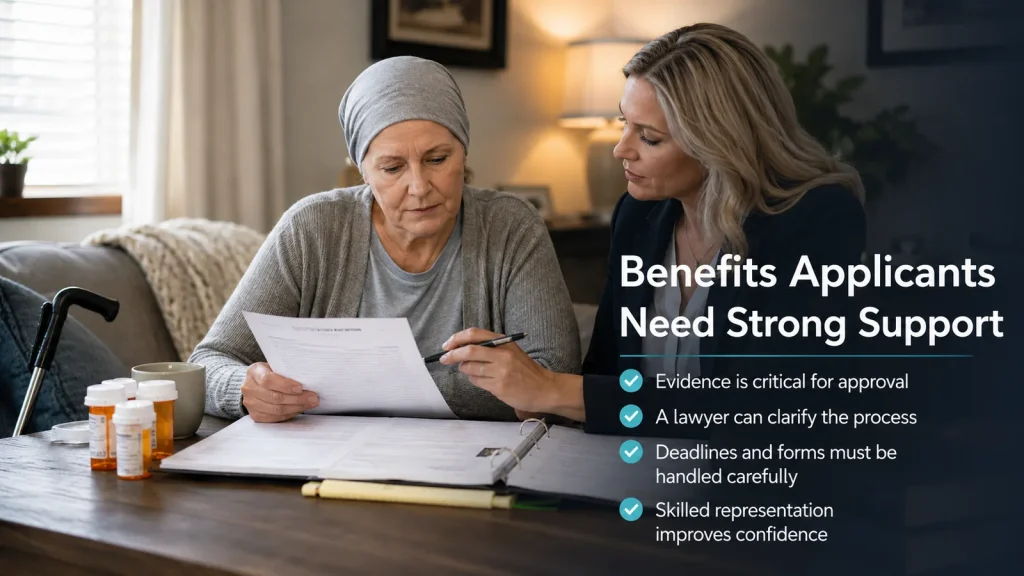
What the Disability Claims Process Demands From Applicants
According to the DW SSD legal team based in Stuart, Florida, the Social Security Disability claims process moves through several distinct stages, each of which carries its own requirements and consequences for the overall outcome. The initial application establishes the factual and medical foundation of the claim, and errors or gaps at this stage tend to follow the case through every subsequent level of review. If the initial application is denied, which happens to the majority of first-time applicants, the claimant must file a reconsideration request within a strict deadline or lose the right to continue with that claim. A second denial leads to a hearing before an administrative law judge, a stage that requires a level of legal preparation that most unrepresented applicants are not equipped to handle effectively.
Medical documentation is the backbone of every disability claim, and the SSA evaluates it against a detailed framework that includes its own internal listings of qualifying conditions as well as functional assessments of what the claimant can and cannot do despite their impairment. A medical record that documents a diagnosis is not the same as a medical record that documents functional limitation in the specific terms the SSA uses to evaluate work capacity. Throughout Martin County, where access to specialized medical care can require significant travel and where processing timelines for disability claims reflect broader national backlogs, applicants who submit incomplete or poorly framed medical evidence consistently face longer waits and higher denial rates than those whose documentation is prepared with the SSA's evaluation criteria in mind.
How Applicants in Stuart Encounter the Realities of the System
A person living in Stuart who becomes unable to work due to a chronic condition, a degenerative illness, or a serious injury faces an immediate set of financial pressures that compound the medical ones. The disability benefits application process does not move quickly, and the gap between filing and receiving a first decision can last several months, with appeals extending that timeline significantly further. During that period, the claimant is expected to continue gathering medical evidence, responding to SSA requests, and managing communications with an administrative system that does not simplify itself for people who are already dealing with a serious health challenge.
The type of medical evidence that actually moves a disability claim forward is more specific than most applicants realize. Treating physician opinions that address the claimant's functional limitations in concrete terms, consistent treatment records that show ongoing engagement with care, and documentation that connects the medical condition directly to the inability to perform work-related tasks are all components that the SSA weighs heavily in its evaluations. A social security disability lawyer who handles these cases regularly knows which gaps in a medical record are most likely to trigger a denial, which treating providers are best positioned to supply the kind of opinions the SSA finds persuasive, and how to request and organize records in a way that presents the strongest possible version of the claimant's case.
What Legal Representation Changes About the Outcome
Indiantown is a close-knit community where a significant portion of residents work in agriculture and physically demanding trades, and where a serious injury or illness that prevents manual labor can eliminate a person's primary source of income with little warning. For individuals in that situation who enter the disability claims process, the stakes of a denial are not abstract. A denied claim means continued financial strain, continued uncertainty, and the beginning of an appeals process that most people have never been through before. Having a social security disability lawyer involved from the earliest stage of the process changes both the quality of the application and the trajectory of the claim if it faces challenges.
Legal representation in a disability case is not limited to courtroom appearances or formal hearings. A lawyer who handles these claims manages the evidentiary record, communicates with the SSA on the claimant's behalf, identifies which aspects of the case need additional development, and prepares the claimant for every stage of the process including the administrative law judge hearing that determines the outcome for most contested claims. That hearing is the point at which legal representation makes the most measurable difference, because an attorney who knows how to examine vocational experts, present medical evidence, and address the judge's concerns about the claimant's residual functional capacity is doing work that an unrepresented claimant simply cannot replicate.
Why Timing and Documentation Define the Entire Claims Process
Colorado Avenue runs through the civic and commercial center of Stuart, and the administrative offices that many Martin County residents interact with as part of managing their health care, public benefits, and legal matters are concentrated in and around that corridor. For a disability claimant who is coordinating medical appointments, responding to SSA correspondence, and managing the paperwork demands of an active claim, the practical burden of the process is significant even before accounting for the physical limitations that made the claim necessary in the first place. Every missed deadline, every unanswered SSA request, and every gap in the medical record creates a vulnerability that the review process will surface.
The timeline of a disability claim is one of its most misunderstood features. Deadlines for reconsideration and appeals are firm, and missing them forces the claimant to start over with a new application rather than continuing with the existing claim and its established record. The five-month waiting period before benefits can begin, the retroactive benefits that may be available depending on when the disability onset date is established, and the different rules that apply to SSDI versus SSI claims are all factors that affect what a claimant ultimately receives and when. A social security disability lawyer tracks every one of those timelines, ensures that no deadline is missed, and positions the claim to capture the maximum benefits the claimant is entitled to under the applicable rules.
What Claimants Deserve to Know Before They Give Up on Their Claim
Residents of Jensen Beach and the broader Martin County area who have gone through a disability denial without legal representation often describe the same experience. The initial application felt straightforward until the denial letter arrived. The reconsideration process was confusing and the outcome was the same. By the time the administrative hearing stage arrived, the claimant was exhausted, underprepared, and uncertain whether continuing was worth the effort. That trajectory is common, and it does not have to be the only one available.
A denied disability claim is not a final answer. The appeals process exists because the SSA's initial determinations are frequently wrong, and claimants who reach the hearing stage with strong legal representation secure approvals at significantly higher rates than those who proceed without it. Working with a social security disability lawyer does not require upfront payment in most cases, as these attorneys typically operate on a contingency fee structure that ties their compensation to a successful outcome. For a seriously ill person who has already spent months navigating a difficult process, that arrangement removes the financial barrier to getting the professional support that gives the claim its best possible foundation for success.
Check These Calculators
Free tools you might find useful